
May 1, 2026, 5:47 am

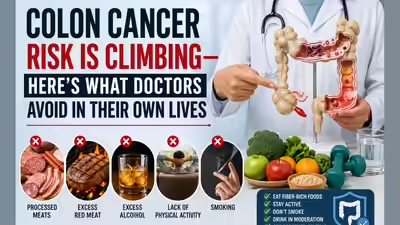
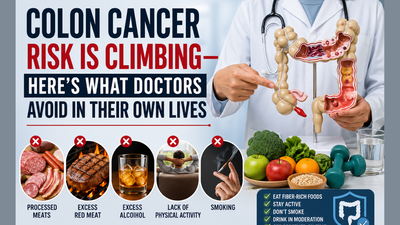
Colon cancer is one of the most preventable ailments, yet it remains one of the most frequently diagnosed types of cancer in the world. Doctors are also worried about a trend: more and more cases are being found in people under 50. Genetics and age do impact risk, but lifestyle and diet are the most important factors in determining long-term colon health. Many of the things that put you at risk for colon cancer have to do with the choices you make every day, according to Dr. Puneet Dhar, Head of Gastrointestinal Surgery at Amrita Hospital, Faridabad. “As surgeons, we often treat people with colorectal cancer. One thing we know for sure from experience is that prevention starts with making simple lifestyle choices and sticking to them over time. Many colorectal surgeons avoid frequent consumption of processed meats. Several epidemiological studies have linked nitrates and preservatives found in foods like sausages, salami, bacon, and other preserved meats to a higher risk of colorectal cancer. Even eating a lot of red meat can raise your risk, especially if you grill it or cook it at very high temperatures, says Dr. Puneet.He further shares that surgeons usually stay away from low-fiber diets, which are becoming more common in modern city living. “Fiber helps keep your gut microbiome in balance and helps you have regular bowel movements. Eating a lot of fruits, vegetables, whole grains, and legumes is thought to be good for the colon. Surgeons are also careful about people who don’t move around much. Inactivity can slow down digestion and contribute to weight gain; and both of these are linked to a higher risk of colorectal cancer.On the other hand, regular exercise helps keep your metabolism in check. It also lowers inflammation and improves your overall digestive health. Colorectal surgeons also tend to tell people not to drink too much alcohol. Chronic alcohol consumption has been associated with various gastrointestinal malignancies, including colorectal cancer. Doctors recommend moderation and stress that drinking too much for a long time can hurt the lining of the digestive tract,” he explains. Dr. Dhar adds, “Surgeons also strongly advise against smoking. A lot of people think of smoking as only causing lung disease, but it also raises the risk of cancer in the digestive system. Tobacco contains chemicals that can harm the colon and cause cells to grow abnormally over time. Another important thing doctors do is pay attention to warning signs and not ignore them. If you have unexplained weight loss, changes in your bowel habits that don’t go away, stomach pain, or blood in your stool, you should always see a doctor. Finding something early on often makes treatment work much better. Screening on time is just as important. Colonoscopy is still one of the best ways to stop colon cancer because it lets doctors find and remove polyps that could become cancerous before they do. Surgeons stress that people who have a family history of colorectal cancer or who are older than the recommended screening age should not put off routine checks. “There isn’t just one diet rule or lifestyle change that can help prevent colon cancer. Instead, it’s about keeping up with healthy habits over the long term, like eating a balanced diet, getting regular exercise, not smoking, drinking in moderation, and getting screened at the right time. We see the effects of late detection every day as surgeons. The good news is that colorectal cancer is often preventable. Making small changes to your lifestyle early on can greatly lower your risk and protect your long-term digestive health,” he concludes.Dr. Jaya Agarwal, Senior Consultant, Solid Organ Transplantation and HPB Surgery, Amrita Hospital, Faridabad, says, “Colon cancer is one of the few cancers where daily lifestyle decisions can significantly affect long-term risk, according to colorectal surgeons. The fact that colorectal cancer is becoming more common in younger adults and that lifestyle choices are a major contributing factor worries medical professionals worldwide. Prolonged physical inactivity is one of the main things I advise patients to avoid. Long periods of sitting or little physical activity have been linked to a markedly increased risk of colorectal cancer, according to research published in the Journal of the National Cancer Institute and other large population studies. Frequent exercise enhances metabolism, gut motility, and lowers chronic inflammation—all of which are strongly associated with intestinal health. There is compelling evidence from long-term cohort studies like the Nurses’ Health Study that diets high in fruits, vegetables, whole grains, and dietary fiber can dramatically lower the risk of colorectal cancer by increasing the diversity of gut bacteria and lowering inflammation.” “Colon cancer is one of the few cancers where prompt screening and early detection can prevent disease progression. The prevention is based on decisions, such as maintaining an active lifestyle, having fiber-rich foods instead of over-processed diets, avoiding alcohol and tobacco, and consulting a doctor as soon as symptoms manifest. These modest but persistent practices can significantly contribute to long-term colorectal health protection,” she elaborates. In the end, prevention isn’t hard, but you have to be aware of it and stick with it. These preventive habits are not just good advice for people with colon cancer; they are things that many doctors do in their own lives as well.Medical experts consulted This article includes expert inputs shared with TOI Health by: Dr. Puneet Dhar, Head of Gastrointestinal Surgery at Amrita Hospital, FaridabadDr. Jaya Agarwal, Senior Consultant, Solid Organ Transplantation and HPB Surgery, Amrita Hospital, FaridabadInputs were used to explain what should be avoided to lower the risk of colon cancer.