May 6, 2026, 7:58 pm

The most revolutionary innovations sometimes come from a problem that seems accidental at first glance. On a spring morning in 1938, a young chemist named Roy Plunkett found himself in the laboratory of the DuPont company conducting experiments to create a new refrigerant gas. He packed several pressurised canisters with the tetrafluoroethylene gas and put them inside a container of dry ice. When he entered the laboratory on that particular day, Plunkett intended to take one of the canisters out, but realised something bizarre was happening.While most would have thought that there must have been something wrong with the tank or valve, Plunkett’s curiosity led him to cut the cylinder in half, only to realise that the gas had gone missing, leaving behind a mysterious waxy white substance that was exceedingly slippery. What Plunkett had unintentionally created was polytetrafluoroethylene (PTFE), better known today as Teflon. This was a material like no other, heat-resistant, chemically inert, and most importantly, extremely slippery to the point where nothing could stick to it.From secret industrial substance to common household productIt would take decades for the “miracle material” to become known to the public, having been a top-secret substance mainly used in industrial and military operations requiring its unique properties. Thanks to its heat resistance and inertness to corrosive chemicals, PTFE became an essential element of the machinery used to manufacture the first atomic bombs. In time, its unparalleled strength would make it an invaluable material in the rapidly growing aerospace sector.According to the research titled Finding PFAS Wherever They Are Hiding by the National Institute of Standards and Technology, the discovery resulted in the birth of a billion-dollar business. While it had already been used in space suits and industrial seals, a French engineer named Marc Grégoire figured out how to use it to protect his fishing lines from tangles. The idea suggested by his wife, Colette, was even better: why not use it for the frying pans? Thus, the “Tefal” brand appeared by the mid-1950s, and an era of non-stick frying pans began.
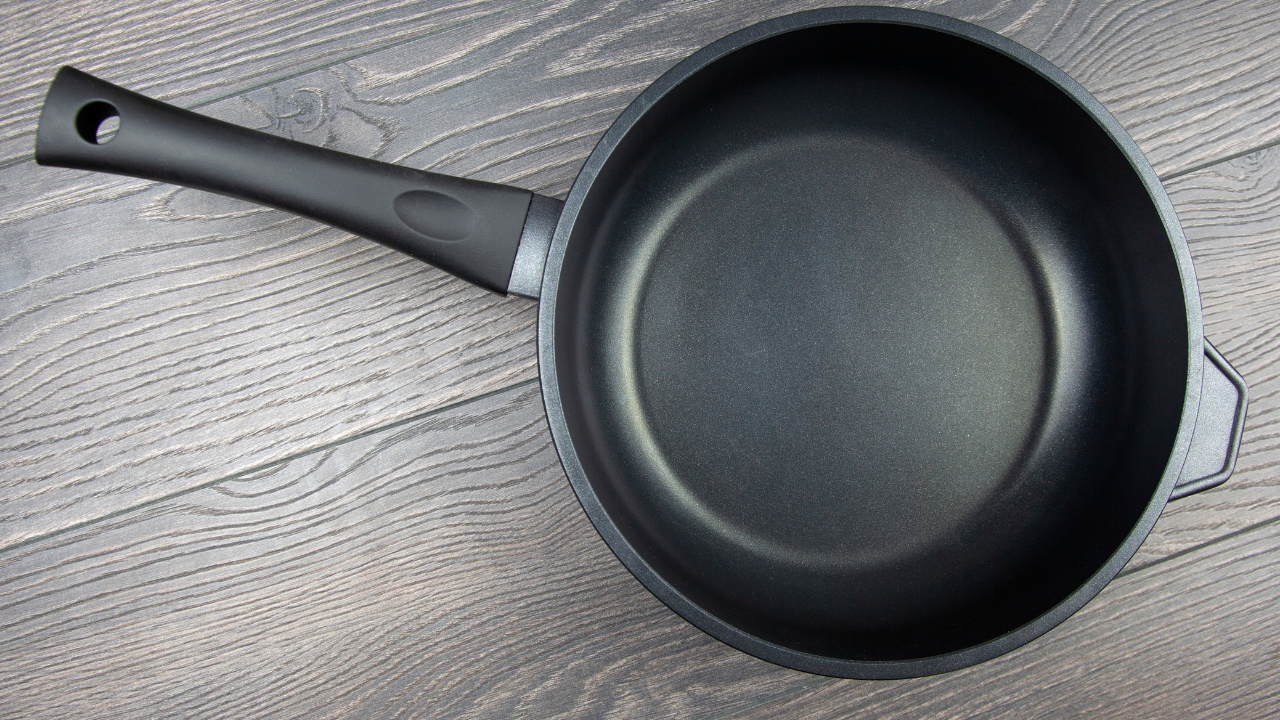
The invention highlights how curiosity can transform unexpected outcomes into global successes, impacting everything from satellites to everyday kitchenware.
Balance between convenience and the safety of modernityWhen Teflon was discovered, it became an example of the product of modern convenience; however, the reputation of PTFEs has become much more complex over time due to scientific discoveries concerning their interaction with the environment. As mentioned above, the property of chemical stability, which made it possible to use it for industrial and everyday purposes, is the very thing that has increased the risk. It is impossible to get rid of PTFEs due to their stability and long lifetime – they belong to the class of chemicals called “forever chemicals”.Modern research has also looked closely at how we use these products at home. According to the study PTFE-coated non-stick cookware and toxicity concerns: a perspective, researchers have found that while the material is safe for normal cooking, it can begin to release gases if a pan is overheated to extreme temperatures. This has led to better safety guidelines for home cooks and a push for even more advanced materials. It is a reminder that every great invention requires a balance between its immediate benefits and its long-term impact on our health and the planet.Plunkett’s case is a good illustration of how an observant mind and some curiosity could convert a “failed” experiment into a worldwide success. He did not intend to revolutionise cooking, but he just wanted to find out why a gas tank was so heavy. The world today can now marvel at Plunkett’s invention as it is found in anything from a heart valve to a satellite or a favourite egg pan. Plunkett’s invention is one of the most significant events in the annals of chemistry.