May 2, 2026, 1:06 pm

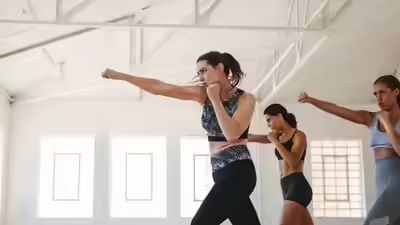
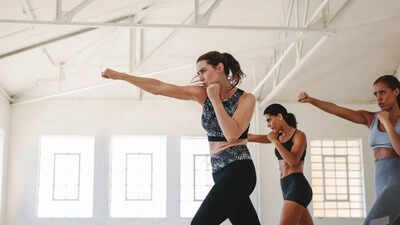
Scroll through fitness reels and one question keeps popping up, can women really have six-pack abs and still be healthy? Recently, Dr Karan Rajan addressed this on Instagram, and the clip struck a nerve. It challenged a common belief that visible abs in women always signal extreme dieting or poor health. The truth sits somewhere in the middle, and it deserves a closer look.
A six-pack is simply a result of muscle development combined with lower body fat. That’s it. There is no separate “abs gene” or shortcut.For women, though, body fat plays a deeper role. Unlike men, fat tissue is closely linked to hormone balance, especially estrogen. As Dr Rajan explains, women naturally carry more essential fat, around 10-13 percent, because the body needs it for basic functions like reproduction.To make abs visible, most women fall somewhere between 14-20 percent body fat. That’s still within a healthy range for many. So yes, a woman can have defined abs and be perfectly healthy. But the path taken to get there matters more than the end result.
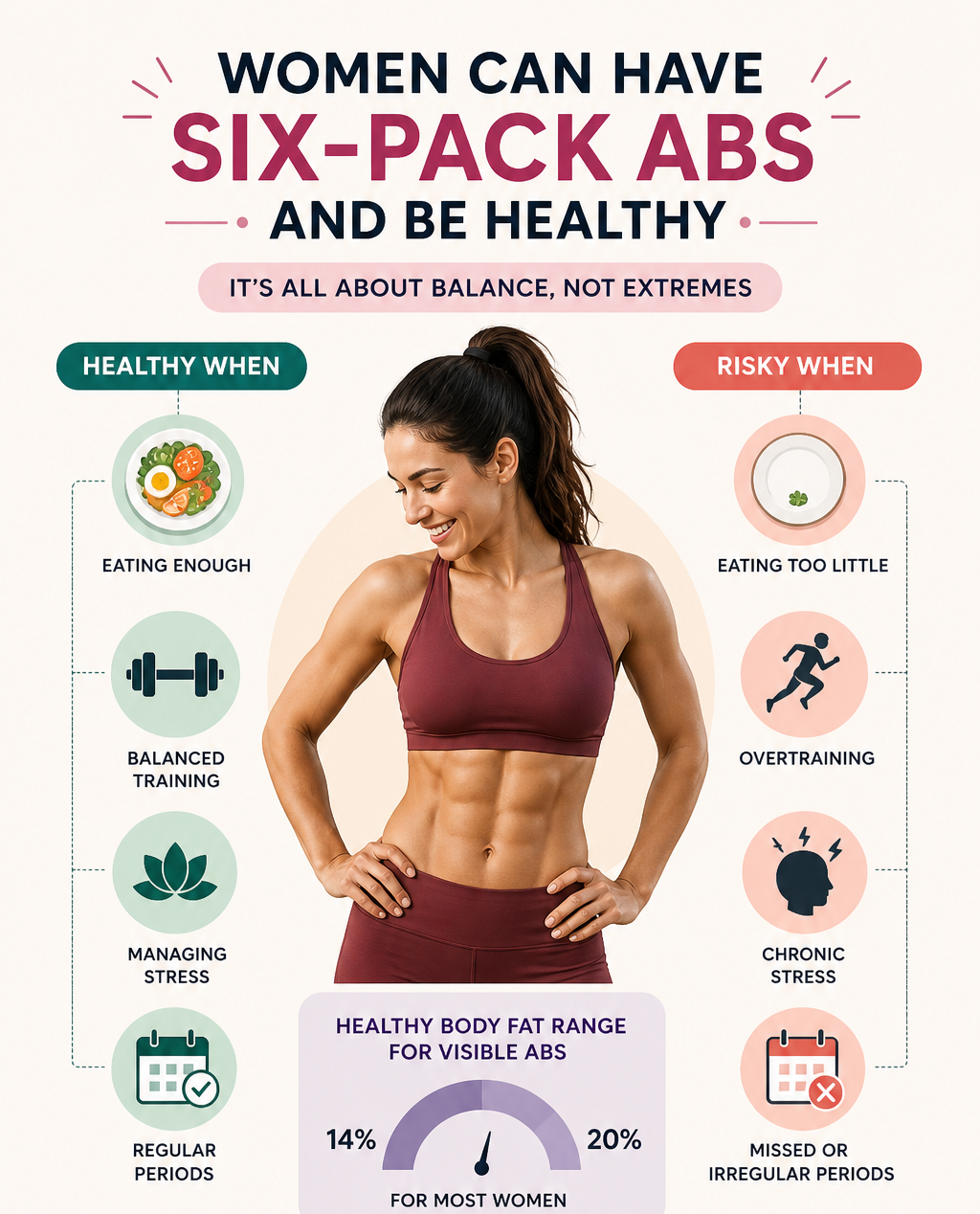
Healthy fat levels, proper nutrition, and balanced training matter more than appearance. Extreme habits, not abs, are the real risk.
Problems begin when body fat drops too low or when the body is under constant stress.Dr Rajan points out that extremely low body fat can reduce estrogen levels. In some cases, the brain slows down signals to the ovaries, which can stop ovulation. This condition, known medically as Hypothalamic Amenorrhea, is not rare among athletes.A large review by the National Institutes of Health found that over half of female athletes in certain sports reported menstrual irregularities.Another concern is “low energy availability,” where calorie intake does not meet the body’s needs. This often happens with strict dieting, intense training, or both. Over time, it can lead to fatigue, weaker bones, and mood changes.
Here’s where the conversation gets more nuanced.Not every woman with visible abs is undernourished or overtrained. Body fat distribution differs from person to person. Some women store more fat in the hips and thighs rather than the abdomen. That allows abdominal definition to show even when overall body fat is within a healthy range.This is why the “six-pack equals unhealthy” idea doesn’t hold up. The real issue lies in extreme habits, not the appearance itself.
Health experts, including India’s Ministry of Health and Family Welfare, recommend focusing on sustainable fitness rather than aesthetics.A balanced baseline often includes:
If periods stop, energy crashes, or recovery feels slow, the body is likely under strain, even if it “looks fit.”
The viral video by Dr Karan Rajan cuts through the noise with one simple idea, the danger often lies in the method, not the six-pack.Chasing a certain look through extreme dieting or punishing workouts can harm the body. But building strength gradually, eating well, and allowing rest can support both visible fitness and long-term health.So, can women have six-pack abs and still be healthy? Yes. But only when the body is supported, not pushed to its limits.Disclaimer: This article is for informational purposes only and does not replace professional medical advice. Fitness and nutrition needs vary from person to person. Always consult a qualified healthcare provider before making major lifestyle changes.