April 26, 2026, 11:54 am

Hair fall is one of those annoying things almost everyone deals with at some point. A few strands on your pillow or stuck in your comb? Totally normal. But when you start seeing clear thinning, bald patches, or way more hair than usual falling out, that’s usually your body trying to tell you something’s off.Most people immediately blame stress, genetics, or hormones – and yeah, those matter. But what often gets ignored is diet. What you eat (or don’t eat) plays a bigger role than you might think. Your hair is surprisingly sensitive to nutrient levels. If your body is running low on something important, hair is one of the first places it shows up. Why? Because your body prioritizes vital organs over things like hair growth.Let’s break this down in a simple way – five common nutrient gaps that can actually lead to hair fall and even bald spots.
Your hair is basically made of protein – a type called keratin. So if you’re not eating enough protein, your hair doesn’t really stand a chance.When your protein intake drops, your body goes into “save mode.” It starts using whatever protein it has for more important functions, and hair growth takes a backseat. Over time, more hair enters the shedding phase, which means more hair fall.There’s research to support this too. A study in the Journal of Cosmetic Dermatology found that low protein intake can lead to hair thinning, especially in people on strict or crash diets.And honestly, this happens a lot. People cut calories to lose weight but don’t realize they’re also cutting protein.What helps?Just make sure you’re getting some protein in every meal – eggs, dal, paneer, chicken, fish, tofu, even a handful of nuts. Nothing complicated, just be regular with it.
This is a big one, especially for women.Iron helps carry oxygen in your blood, and your hair roots need that oxygen to stay healthy. When iron levels drop, your hair follicles don’t get what they need, and they slowly weaken.There’s a well-known study in the Journal of the American Academy of Dermatology that found a strong link between low iron (especially low ferritin levels) and hair shedding, particularly a condition called telogen effluvium.If you’re dealing with hair fall along with constant tiredness, dizziness, or pale skin, iron deficiency could be part of the problem.What helps?Load up on iron-rich foods – spinach, beetroot, jaggery, dates, lentils, and if you eat it, red meat. Also, squeeze some lemon on your food or have something rich in vitamin C – it helps your body absorb iron better.
Most people think of vitamin D as the “sun vitamin” for bones, but it’s also linked to hair health.Low vitamin D levels have been connected to certain types of hair loss, including patchy hair loss. A study in Dermatology and Therapy found that people with hair loss often had lower vitamin D levels compared to others.The tricky part? A lot of people are low on vitamin D and don’t even know it – especially if you spend most of your day indoors (which, let’s be honest, many of us do).What helps?Get some sunlight regularly – even 15–20 minutes a day can make a difference. You can also include foods like eggs, fortified milk, and fatty fish. If needed, a doctor might suggest supplements.
Zinc doesn’t get as much attention, but it quietly does a lot of important work – especially when it comes to hair repair and growth.It helps maintain healthy hair follicles and keeps the oil glands around them working properly. When zinc levels drop, hair can become weak, dry, and more likely to fall out.A study in the Annals of Dermatology showed that people with hair loss often had lower zinc levels, and improving those levels helped in some cases.
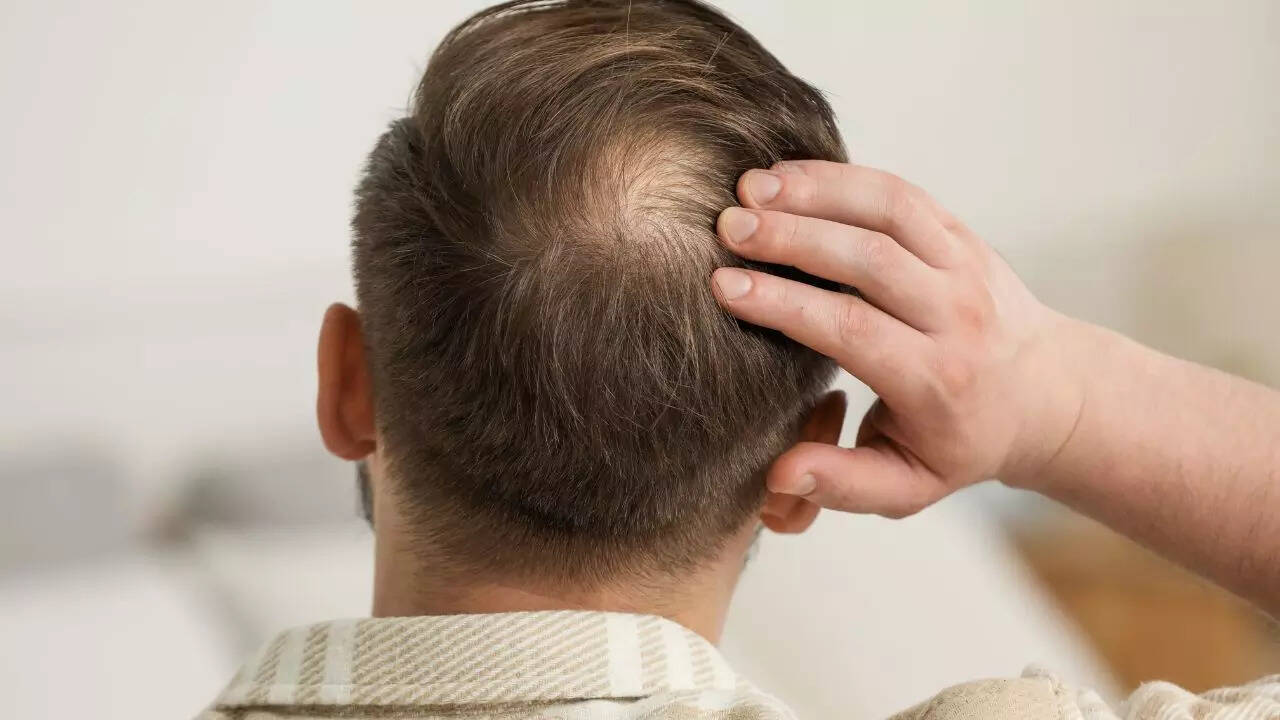
While tomato juice won’t magically grow new hair overnight, it can stimulate dormant follicles and improve scalp health, which are both crucial for regrowth. Remember, natural remedies work slowly but surely.Also, remember that baldness caused by genetics or severe hormonal imbalances might need medical treatment or supplements alongside natural care. But if your hair loss is due to poor scalp health, stress, or damage, tomato juice can make a visible difference over time.
Low zinc can also show up as a dry, flaky scalp, which doesn’t help your hair situation either.What helps?Add foods like pumpkin seeds, nuts, whole grains, dairy, and legumes to your diet. You don’t need to overthink it – just aim for variety.
Biotin gets a lot of hype as a “hair vitamin.” And while it’s not some magic fix, it does help keep your hair strong.When biotin levels are low, hair can become brittle, thin, and more prone to breakage and shedding.A review in Skin Appendage Disorders mentions that while biotin deficiency isn’t super common, it can still lead to hair loss – especially in people with poor diets or certain health conditions.That said, not everyone needs biotin supplements. Many people already get enough through food.What helps?Egg yolks, nuts, seeds, bananas, and whole grains are all good sources. Focus on food first before jumping to pills.
Hair fall usually isn’t caused by just one thing. It’s a mix – diet, stress, sleep, hormones, lifestyle – everything plays a part.But your diet? That’s one thing you can actually control.If your meals are all over the place, low in variety, or mostly processed food, your body might be missing important nutrients without you realizing it – until hair fall shows up.Also, more supplements don’t mean better results. Taking random vitamins without knowing what you’re lacking can backfire. It’s always smarter to fix your food habits first and then look into tests if needed.
Not all hair loss comes from nutrition. Genetics, thyroid issues, medical conditions, or hormonal changes (like PCOS) can also be behind it.But even then, a good diet still helps. It won’t magically fix everything overnight, but it supports your hair and overall health in a big way.Hair fall can be stressful, especially when it starts affecting how you feel about yourself. But sometimes, the solution isn’t complicated. It could be as simple as what you’re eating every day.Protein, iron, vitamin D, zinc, and biotin – they might sound basic, but they make a huge difference.Instead of chasing quick fixes or miracle products, focus on your basics. Eat better, get some sunlight, drink enough water, and give your body time to respond.Because most of the time, healthy hair doesn’t start with products – it starts from within.