April 25, 2026, 3:13 pm

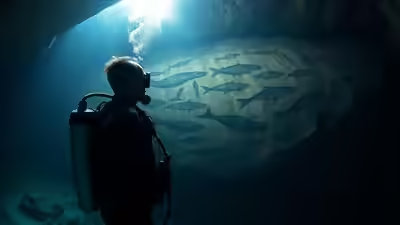
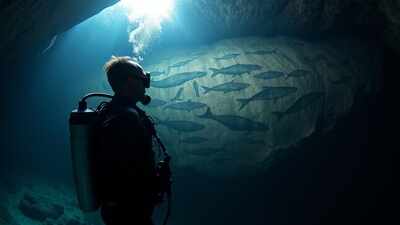
Think of the sensation of diving into the clean blue water of the French Riviera, surrounded by the rocky cliffs of the Calanques. This is generally a place where tourists either go for sunbathing or enjoy themselves with their snorkels on top of the water. However, one summer day in 1985, an experienced diver called Henri Cosquer dived deep into a narrow fissure that had been formed in the rock and extended approximately 37 meters below the water level. He did not search for artefacts; he only wanted to explore the hidden recesses of nature.To reach the chamber, Cosquer had to brave the long, exhausting experience of passing through an underwater tunnel, some 150 meters long in complete darkness and with a claustrophobic sensation. The chamber where he emerged was an air-filled space that had been cut off from human contact for many millennia. Even though the story sounds like something out of a film rather than a credible scientific finding, it is one of the most significant discoveries in terms of human artistic expression.A bestiary underwater from the ice ageAt first, the importance of the discovery remained his private knowledge. He did not disclose it hastily but returned to it again and again until finally, in 1991, the existence of Palaeolithic paintings and engravings in this location became known. Not just random markings on the walls, but distinct images of creatures that used to live in Europe during the early periods of human development.
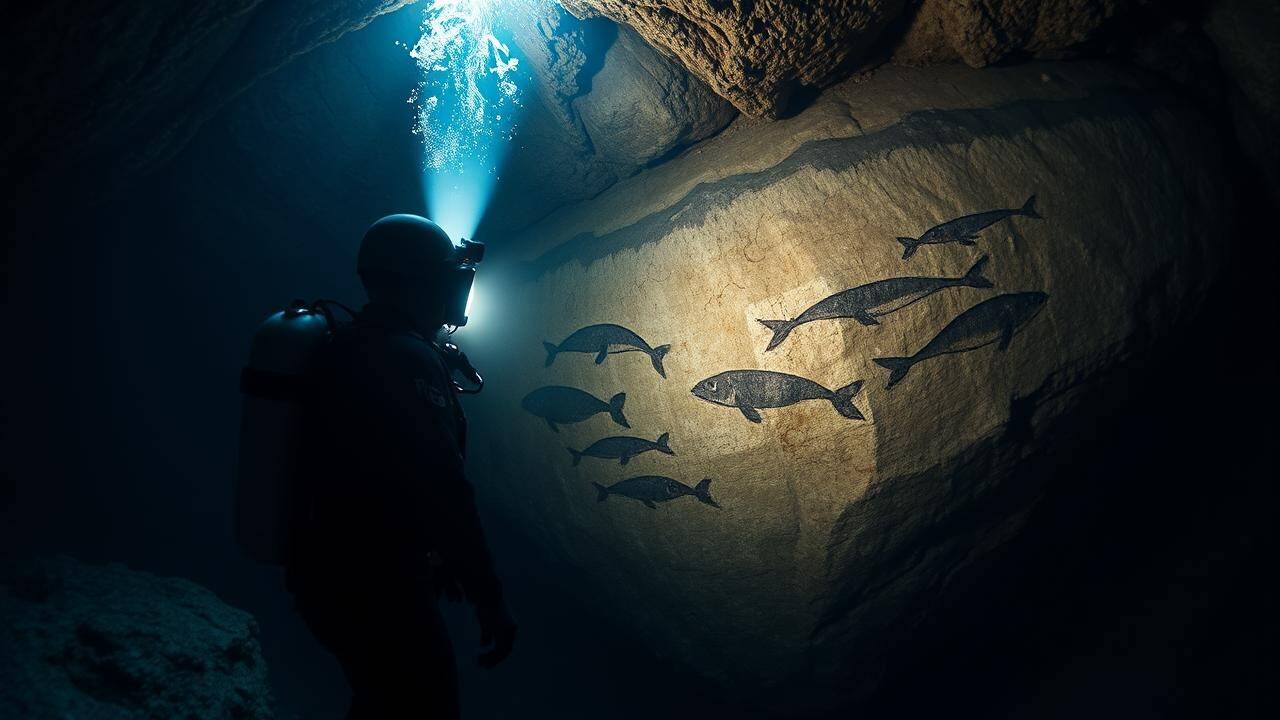
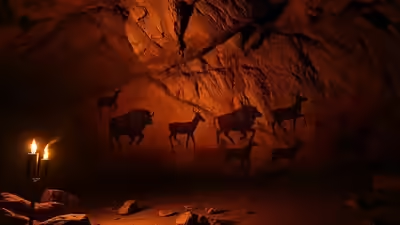
These ancient paintings and engravings depict Ice Age animals, including unique maritime life, and hand stencils, offering a profound glimpse into early human expression. Rising sea levels now threaten this invaluable heritage.
According to a detailed historical overview provided by the official Grotte Cosquer website, the cave contains an incredible collection of over 500 artworks. While you might expect to see standard prehistoric icons like bison or horses, the Cosquer Cave is unique because it features maritime life. Alongside the terrestrial animals, divers and researchers found depictions of seals and fish. There are even drawings of great auks, which are flightless birds that are now extinct. It serves as a vivid reminder that the people living here 20,000 to 30,000 years ago were deeply connected to the sea, even if the coastline was much further away back then.Here lie those “negative hand stencils” – impressions left on the wall by the hands of those who once lived here. Looking at these prints in an isolated, underwater cave brings together the past and the present in an eerie conjunction that reminds us that these were not merely surviving humans but individuals with a deep need to express themselves through art and share their story with other animals.The race to rescue a dying pastAfter the discovery went public, the scientific community quickly mobilised to confirm and protect the find. This was no ordinary excavation site but a place that required each visit to be made by diving into freezing waters, with careful navigation of the tunnel to reach it. At the request of the French Ministry of Culture, renowned prehistoric archaeologist Jean Courtin was called upon to authenticate the artwork.The research published in the Cosquer Cave archive by the French Ministry of Culture explains that carbon dating of charcoal samples found in the cave placed the site squarely in the Palaeolithic period. The art actually spans two distinct eras of human history: one from roughly 27,000 years ago and a second phase around 19,000 years ago. This means the cave was a site of human activity for thousands of years before the rising sea levels at the end of the last ice age eventually swallowed the entrance.Nowadays, the cave is kept safe as a historical monument; however, a new threat has emerged. Because the level of the sea continues to rise owing to global warming, water in the cave rises as well, posing a serious threat to the paintings. This has made it necessary to undertake extensive digitisation projects, such as the creation of an exact copy of the cave in Marseille, where people can appreciate the findings of Henri Cosquer while protecting the original location. It is clear proof of how many amazing things hide right before our eyes, but we do not realise their importance until someone decides to explore them.