May 8, 2026, 7:37 am


Gen Z looked at that plan and collectively said, absolutely not.
Instead, a growing number of young professionals are embracing something called “micro-retirement” — intentional career breaks taken in their 20s or 30s to rest, travel, reset, or simply exist outside the chaos of constant productivity.


The obsession with being busy all the time is starting to feel deeply uncool.
After years of burnout, toxic work schedules, and the pressure to constantly “optimise” every second of life, younger workers are rethinking what success actually means. The dream is no longer climbing the corporate ladder at lightning speed. Sometimes, it is just having enough energy left to enjoy dinner without checking emails.
And honestly? That shift feels long overdue.

It is not always luxury travel and beach sunsets.
For many people, micro-retirement simply means slowing down. Some move back home temporarily. Others freelance, take remote gigs, learn new skills, or spend time reconnecting with family and friends after years of work stress.
The point is not escaping responsibility forever. It is creating breathing space before burnout completely takes over.
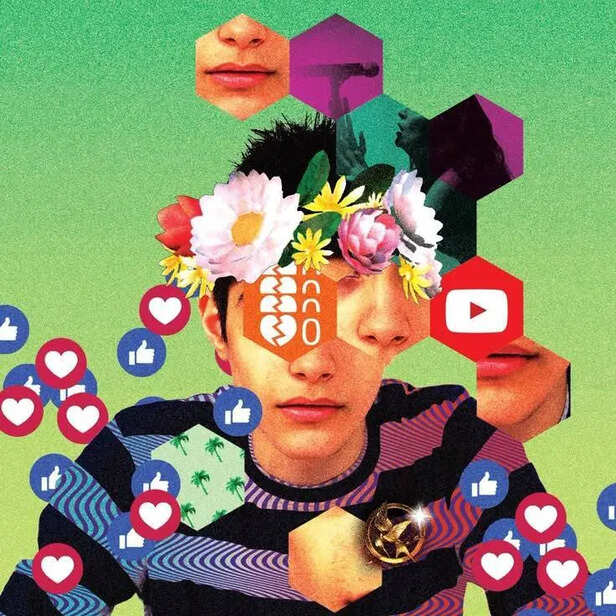
Platforms like TikTok and Instagram have played a huge role in normalising career pauses.
Young creators openly share stories about quitting draining jobs, taking solo trips, switching careers, or choosing slower lifestyles over constant hustle. And once people started seeing others do it publicly, the idea stopped feeling irresponsible and started feeling realistic.
Of course, micro-retirement comes with risks too.
Career gaps, unstable income, and financial planning are still very real concerns. Not everybody can afford to suddenly disappear into a six-month healing era with zero consequences.
That is why many people approaching micro-retirement are doing it strategically rather than impulsively.
At its core, micro-retirement is not just about taking breaks.
It is about rejecting the idea that life should only begin after decades of exhaustion. Gen Z is no longer romanticising burnout — they are romanticising balance instead.
And that might quietly become the biggest workplace shift of this generation.