
April 29, 2026, 1:11 pm

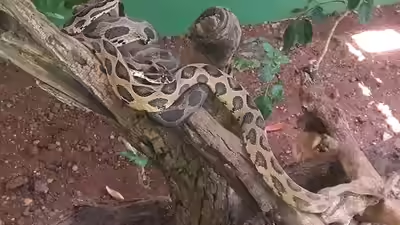
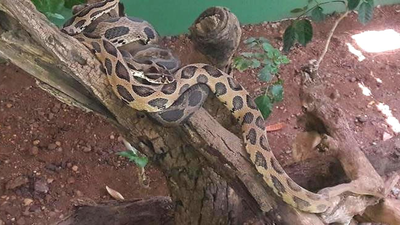
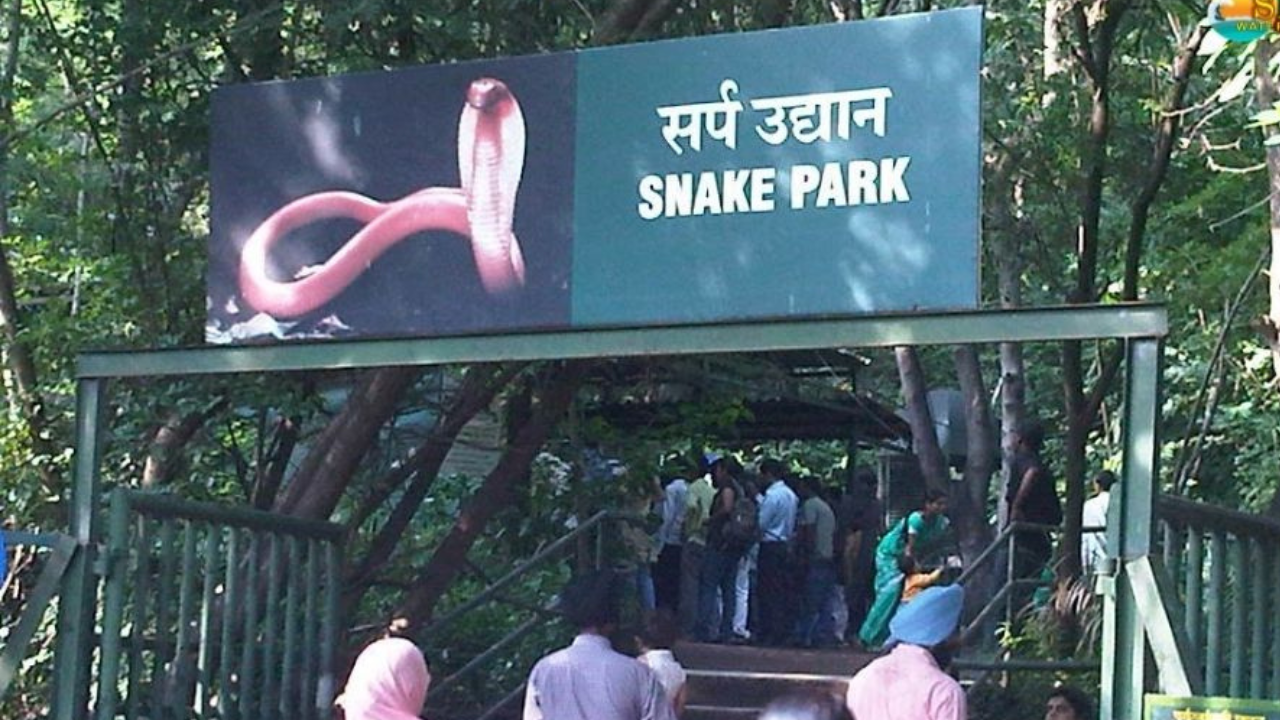
Tucked inside Pune’s sprawling Rajiv Gandhi Zoological Park, the Katraj Snake Park is far more than a simple reptile enclosure. It houses more than 22 species of snakes and over 150 reptiles, including king cobras, Russell’s vipers and Indian rock pythons, with one king cobra reportedly stretching beyond 13 feet. Many visitors arrive expecting a quick stop and leave surprised by the sheer scale of the wider zoo complex, which also includes mammals, an animal orphanage and a large lake. Add its conservation roots, low entry cost and strong educational focus, and this becomes one of Pune’s most underrated wildlife destinations.
It started as a conservation mission, not a tourist spotThe park traces its origins to wildlife expert Neelam Kumar Khaire, who helped establish it in the 1980s with the support of the Pune Municipal Corporation. Its primary aim was to promote snake awareness and conservation at a time when reptiles were widely feared and often killed.That mission continues through educational programmes and awareness drives, particularly during Nag Panchami, when the park actively works to discourage harmful practices and promote protection of snakes.
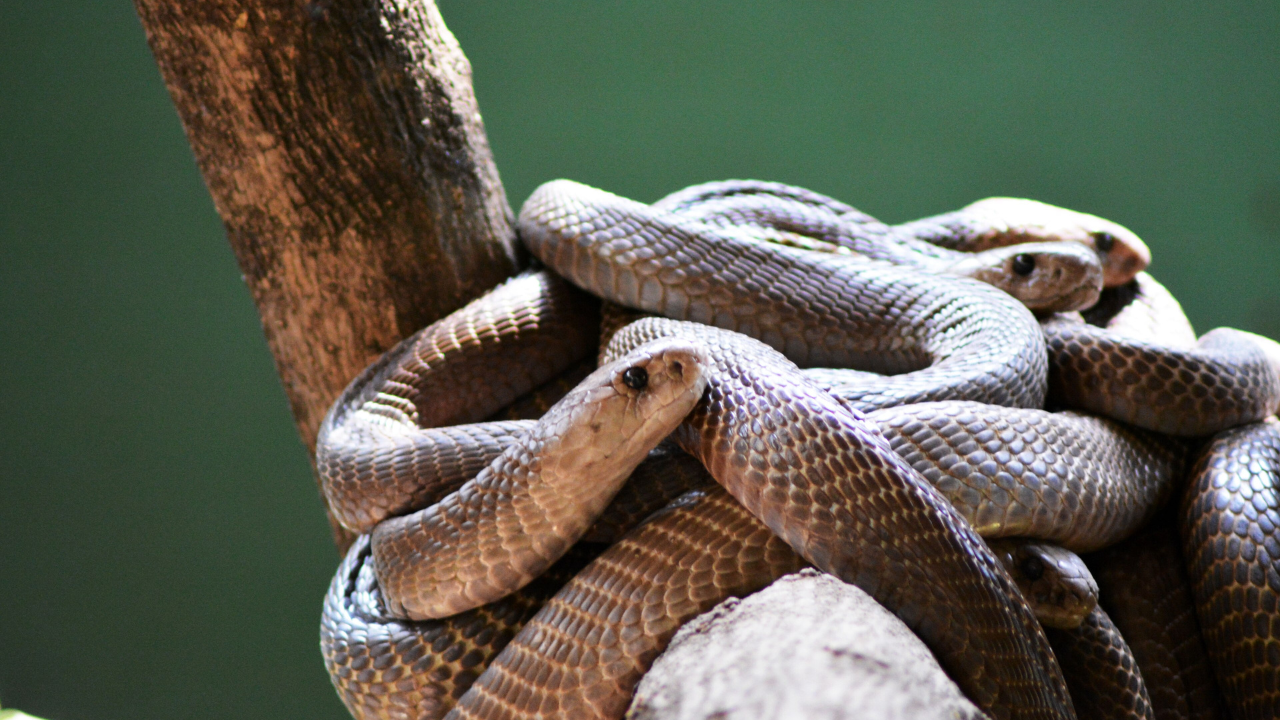
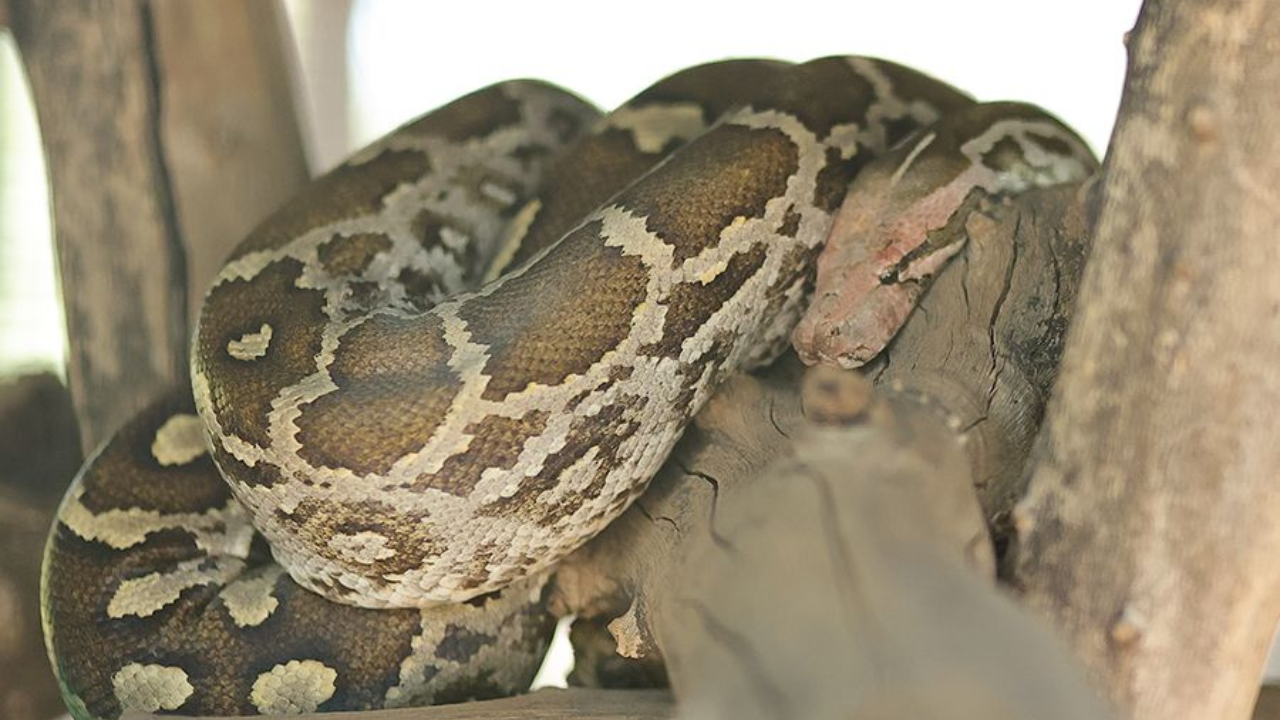
The snake collection is bigger than most expectThe park houses more than 22 species of snakes and over 150 reptiles in total. These include king cobras, Russell’s vipers and Indian rock pythons.One of its most notable highlights has been a king cobra measuring over 13 feet. For reptile enthusiasts and students, this makes it one of the most significant reptile collections in western India.
It’s not just a snake parkDespite the name, Katraj Snake Park is part of the much larger Rajiv Gandhi Zoological Park, which spans around 130 acres. The zoo was formally opened in 1999 and is organised into different habitat zones rather than a single reptile section. Visitors can explore mammals, birds and reptiles across the complex, with around 60 species of wildlife present. This makes the experience far larger than many first-time visitors expect and easily turns into a half-day outing.You’ll walk more than you thinkThis is not a quick visit. The full zoo can take three to four hours to explore properly, while the snake park section alone may take one to two hours depending on your pace.The zoo provides facilities such as battery-operated vehicles and wheelchair access, but the overall walking distance can still feel demanding. Comfortable footwear is strongly recommended, especially during warmer months.It’s surprisingly budget-friendlyEntry remains highly affordable, with tickets priced at around ₹60 for adults and ₹20 for children. Concessions are available for students and certain groups, and there are separate charges for cameras.Given the scale of the zoo and the variety of exhibits, this makes it one of the most accessible wildlife attractions in India. The best time to visit isn’t what most guides sayThe zoo operates with seasonal timings, generally opening at 9:30 AM and closing between 5 PM and 5:30 PM depending on the time of year.Winter and monsoon months offer the most comfortable experience, as reptiles tend to be more active in moderate temperatures. Summer visits can be tiring due to heat and long walking distances, so early morning visits during cooler seasons are ideal.
It closes every WednesdayThe park follows a fixed weekly schedule and remains closed every Wednesday throughout the year.This is one of the most commonly overlooked details by visitors, often leading to wasted trips. It is always worth checking timings and closure days before planning your visit.It’s more educational than thrillingUnlike safari-style attractions, the focus here is on awareness and learning rather than spectacle. Animals are housed in secure enclosures, and the emphasis is on understanding their behaviour and ecological role.The park includes educational displays, informational boards and even Braille support, making it particularly valuable for students and those interested in wildlife conservation. There’s a scenic lake you might missThe zoo grounds include a lake covering roughly 29 acres, which adds a natural and scenic dimension to the visit.This area supports birds, reptiles and other wildlife, making it part of the park’s ecosystem rather than just a visual feature. Many visitors overlook it while focusing only on the animal enclosures. Weekends can get crowdedThe zoo attracts a large number of visitors each year, which makes weekends and school holidays noticeably crowded.For a quieter and more relaxed experience, weekday mornings are the best time to visit. This allows you to explore the park at a comfortable pace and spend more time at each exhibit.Katraj Snake Park is a conservation-driven and educational wildlife space within a larger zoo complex. Its scale, affordability and focus on awareness make it a distinctive destination in Pune. With proper planning and enough time, it offers a far more rewarding experience than many visitors initially expect.