April 28, 2026, 8:46 pm


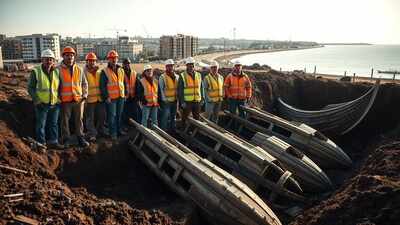
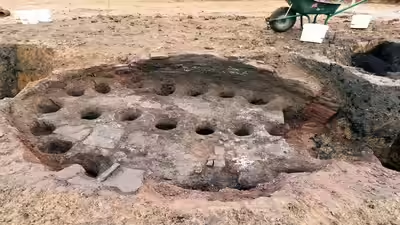
At times, the most astounding discoveries are not made through great expeditions or adventurous expeditions but through ordinary people conducting their day-to-day activities. The workers of Varberg, a city along the coast of Sweden, had undertaken to clear a piece of land where a railway tunnel was planned to be excavated. As they dug in the soft, moist clay, they encountered something unusual – neither rock nor any pipe; rather, they got their hands dirty and started digging by hand. And there they uncovered the large carved ribs of a ship.As time went by, the surprises continued to pile up. Starting out with the discovery of one vessel, things quickly snowballed as a massive archaeological undertaking emerged following the discovery of five other ships, which had remained buried beneath the soil surface. It wasn’t that these ships were resting on the ocean floor; rather, they lay buried under the feet of the inhabitants. Protected by the unique conditions created by the soil in Sweden, they have been preserved for centuries in an old medieval harbour.Fleet of medieval ships buried in clayHere we can take a rare glimpse at how connections in northern Europe were maintained via commerce throughout the Middle Ages. According to the Swedish archaeologists’ document, The Varberg Wrecks 2, 5 and 6, different vessels from the fleet vary not only in terms of age but also in size, dating back to the fourteenth century in many cases. Due to the unique conditions provided by the soil, the oak wood was preserved perfectly, so that even the markings left by the axe could be distinguished.One of the most impressive finds among the group is a large cog, a type of sturdy merchant ship used by the Hanseatic League to carry heavy cargo across the Baltic Sea. As detailed in the document, these ships were the workhorses of their time. They carried everything from salt and cloth to iron and timber, linking small Swedish towns to the great trading hubs of Europe.
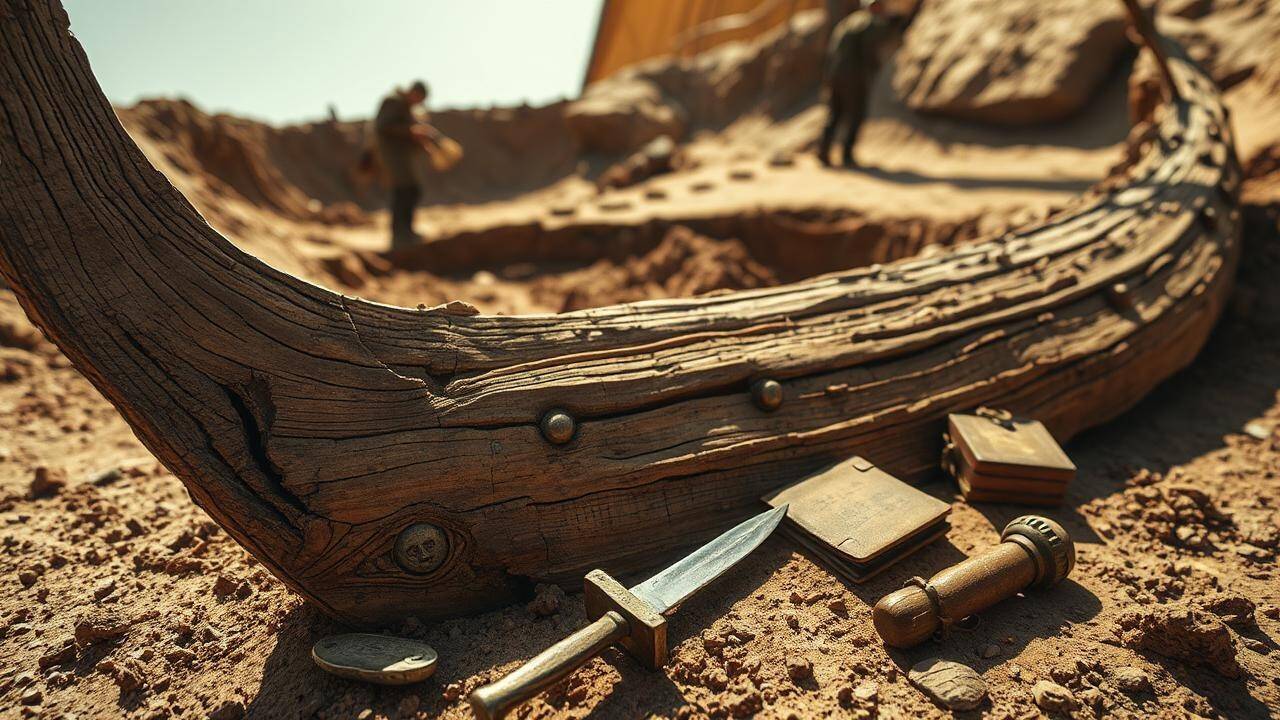
The discovery highlights how history can be found unexpectedly, providing invaluable insights into shipbuilding and the past.
Six ships together in one place is quite unusual. It is believed that these ships were probably left behind because of problems with navigation, after which a busy port developed. Their quick burial under layers of silt and clay will help protect them from decaying due to bacterial activity.Human elements among the timberApart from information regarding shipbuilding and engineering from the yards, the excavation provides an insight into the daily lives of the crew members aboard these ships. Personal objects such as leather boots, ceramics used in food preparation, and even some wooden artefacts were found among the timber. This shows us that these were not just means of transport, but very miniature worlds of people at sea.The process of moving these massive structures is a feat of engineering in itself. Because the wood is waterlogged, it becomes incredibly fragile once it is exposed to the air. The team from Arkeologerna has been working around the clock to keep the timbers wet while they are carefully disassembled and moved to a specialised facility for conservation. As noted in the report Hundreds of years old boat wrecks in Varberg, the goal is to stabilise the wood so it can eventually be put on display for the public.The finding has definitely changed the perspective of the inhabitants of Varberg on the town itself. It is quite clear from the fact that the history of our ancestors is sometimes hiding right under our feet. The construction work intended for the development of the city led to a link between today and the Middle Ages. For many workers engaged in construction work, this discovery will become one of the career highlights that takes them back in time.In addition, the six Varberg ships have been thoroughly researched by the historians trying to find out the evolution of the art of shipbuilding over the years. From this study, the economists will be able to track the changes that occurred in the economy. This will be an interesting story of perseverance and skillfulness that was almost lost in the times.