April 11, 2026, 2:32 pm


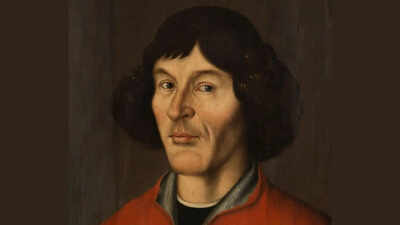
Quotes from great thinkers are still relevant today because they deal with ideas that never go out of style. Nicolaus Copernicus, a name closely linked to one of the most important scientific changes in human history, wrote one of these powerful lines. People’s understanding of the universe changed because of his work, but his words also teach us important lessons for everyday life. The quote “To know that we know what we know, and to know that we do not know what we do not know, that is true knowledge” is not only about science. It talks about being aware, being honest, and knowing when to stop. In a world where people think they know everything, this quote reminds us that true wisdom comes from knowing what you know and what you don’t know. It promotes a balanced way of thinking that is still useful today, just like it was hundreds of years ago. This intellectual humility serves as a vital safeguard against arrogance, fostering a lifelong commitment to learning and genuine self-improvement.
“To know that we know what we know, and to know that we do not know what we do not know, that is true knowledge.”
The quote may seem a little complicated at first, but when you break it down, it’s not that hard to understand.Copernicus says that you can only know something if you do two things:
This idea shows how important it is to be aware of yourself. A lot of people mix up knowing things with understanding them. Just because someone has heard something doesn’t mean they really get it. In the same way, pretending to know something can often lead to errors.When a person knows the difference between what they know and what they don’t know, they are more careful and thoughtful when making choices. This method is especially useful for learning, where the first step to getting better is to ask questions and admit what you don’t know.
Copernicus lived in the 1500s, but what he said still makes sense in today’s fast-paced world. People today get a lot of information every day from the internet, social media, and news sites. But not all information is correct or easy to understand.In this kind of place:
This quote tells you to stop and think. It makes people think about what they know and be open to learning more. This way of thinking helps people be clear and trust each other in school, at work, and even in everyday conversations.
To get the full meaning of this quote, it’s helpful to know a little bit about Nicolaus Copernicus. He was a Polish astronomer who said that the Earth goes around the Sun, not the other way around. At that time, people didn’t think this way at all.Most people believed in the geocentric model before he did. This model put Earth at the centre of the universe. Copernicus used careful observation and reasoning to question this idea.The same idea is in his quote, and it shows that he is willing to question what is known. He knew that what people thought they knew might not always be true. He was able to find something new by realising that what he already knew wasn’t enough.
One of the most important things this quote says is that it’s okay to admit you don’t know something. People often don’t like to say “I don’t know” when they should. This simple admission, on the other hand, can be very powerful.When someone acknowledges their ignorance:
On the other hand, pretending to know something can cause confusion and mistakes. This can have an effect on teamwork and results in the workplace. It can cause problems in your personal life.Copernicus’s words remind us that not knowing something doesn’t make us weak. It is an opportunity to grow instead.
Another important point in this quote is the difference between information and knowledge.There is information all over the place. It has facts, figures, and opinions. But knowledge goes deeper. It requires comprehension, lucidity, and the capacity to implement acquired knowledge.For instance:
Copernicus’s quote implies that genuine knowledge transcends mere fact accumulation. It is important to know what you know and what you still need to learn.
The quote also teaches us to be humble. It reminds people that there is always more to learn, no matter how much they know.This way of thinking helps with:
Being humble is very important in science. Scientists often make discoveries when they question what they already know and are open to the idea that they don’t know everything.
The quote is not just for scientists or academics. It can be used in everyday life.
In all of these areas, the idea is still the same: knowing things clearly leads to better results.
There are a lot of quotes about knowledge, but this one stands out because it talks about being aware. It doesn’t just praise learning; it tells you what real knowledge is.It keeps things simple and gets the point across:
This simple structure makes it easy to remember and use.People remember Nicolaus Copernicus for changing how we see the universe, but his words can also help us learn and think. His quote about true knowledge shows how important it is to be clear, honest, and aware of yourself. These traits are more important than ever now that information is everywhere.Knowing what we know gives us confidence, and accepting what we don’t know lets us learn. These ideas work together to make real knowledge. People still follow Copernicus’s advice to think carefully and understand things well, which makes it just as important today as it was hundreds of years ago.